
By Nathan Zhang · Thermal Design Workshop Series · 09 Oct 2025
As IC power density rises, the thin layer between a heat source and a heatsink often decides whether a product runs cool and reliable—or hot and fragile. That layer is the thermal interface material (TIM). This article breaks down what TIMs do, how the main types compare, and how to balance mechanical pressure with thermal performance—plus a look at promising new materials.
What TIMs Are—and Why We Need Them
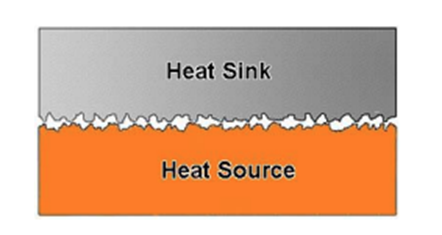
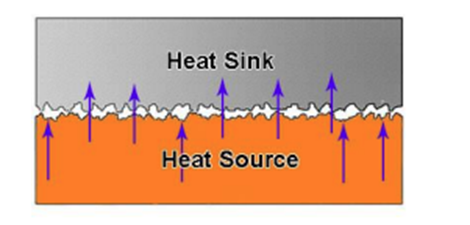
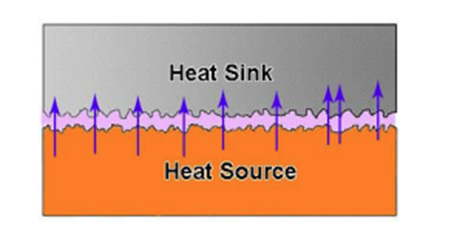
Real surfaces are never perfectly flat: microscopic roughness traps air, and air is a poor conductor. TIMs fill those gaps, reducing contact resistance and lowering the total thermal resistance, which is the sum of material resistance plus contact resistances at both interfaces. The goal: high conductivity, low contact resistance (good wetting), and manufacturing/service friendliness to achieve a low overall thermal path.
The TIM Landscape: Pros & Cons at a Glance
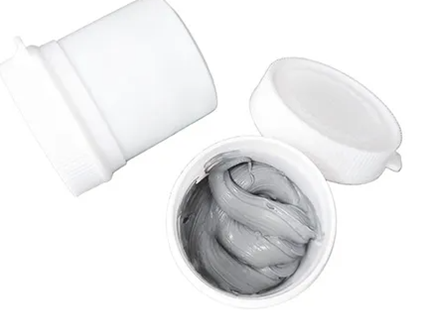
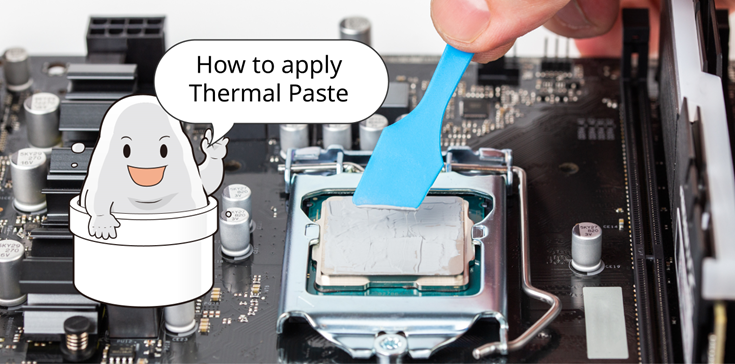
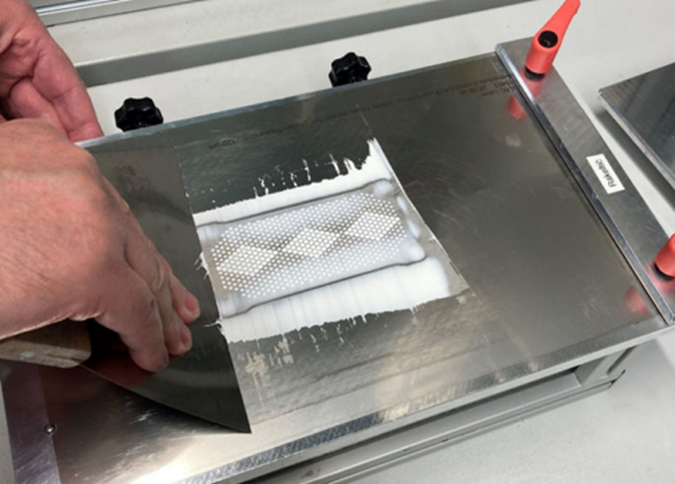
Thermal Grease High conductivity and ultra‑thin bondlines, but challenging to apply at scale and can degrade over time (powderization, voids, oil pump‑out, outgassing). Best reserved for high heat flux situations.
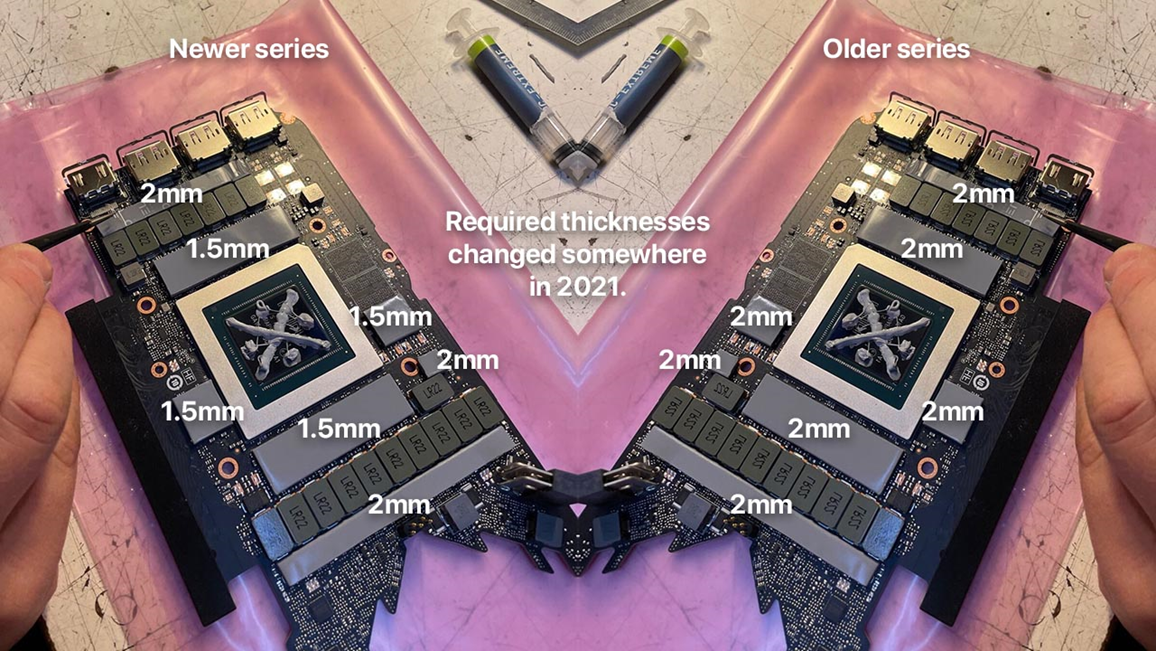
Thermal Pad Silicone‑based, filler‑loaded pads bring stability at temperature, electrical isolation*, and easy assembly—ideal when height variation exists—though they cost more and require higher clamping pressure. *Some carbon‑rich pads may not isolate.
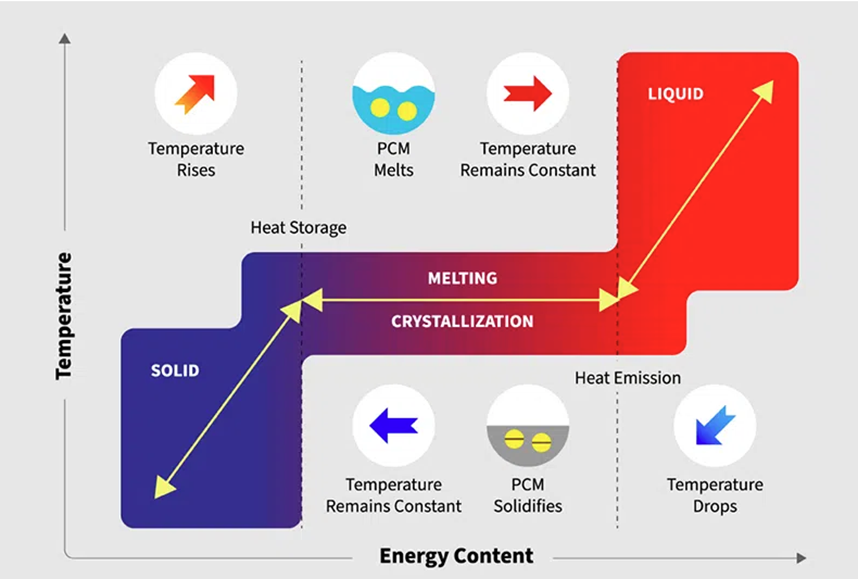
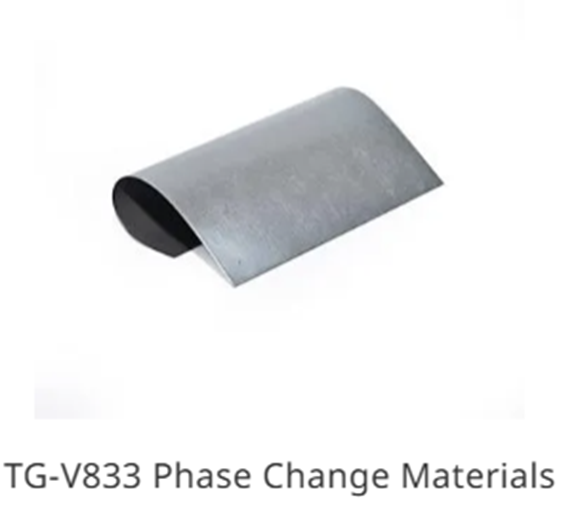
Phase Change Material (PCM) Solid at assembly, flows when hot to reduce contact resistance and buffer transients by absorbing heat during phase change. Easier to handle than grease, but shares some long‑term degradation risks.
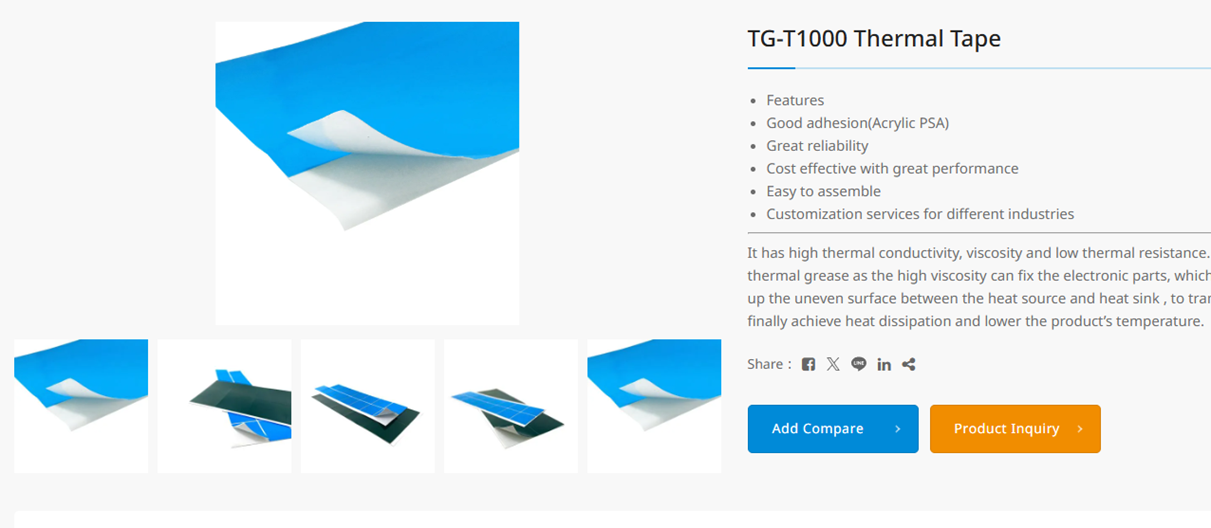
Thermal Tape Combines adhesive‑like fastening with heat transfer—fast, insulating, and durable—but has higher thermal resistance and needs very good surface prep.
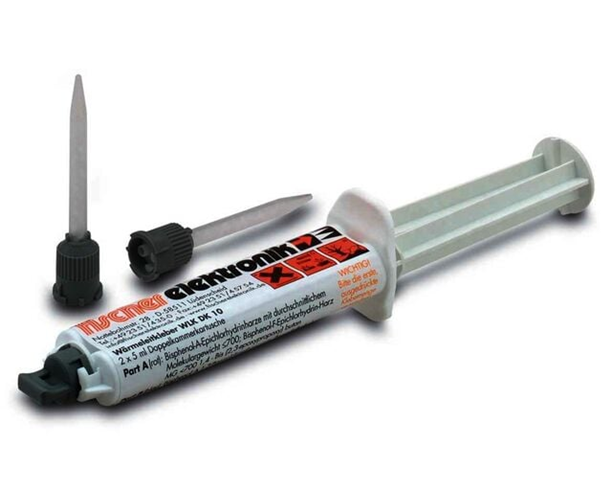
Thermal Glue (Adhesive) Creates a thin, permanent bond with good conductivity—no mechanical fixture needed. Trade‑offs: no height accommodation and difficult rework.
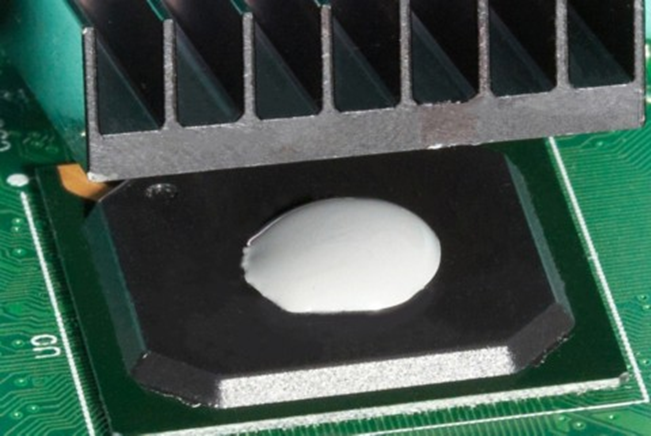
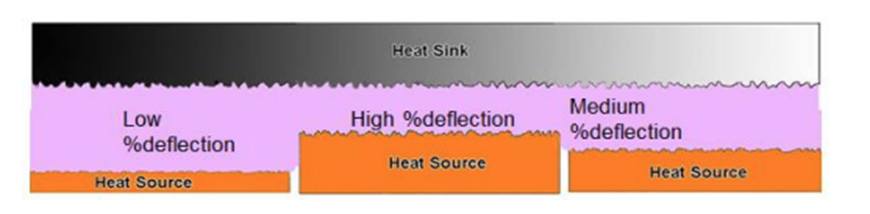
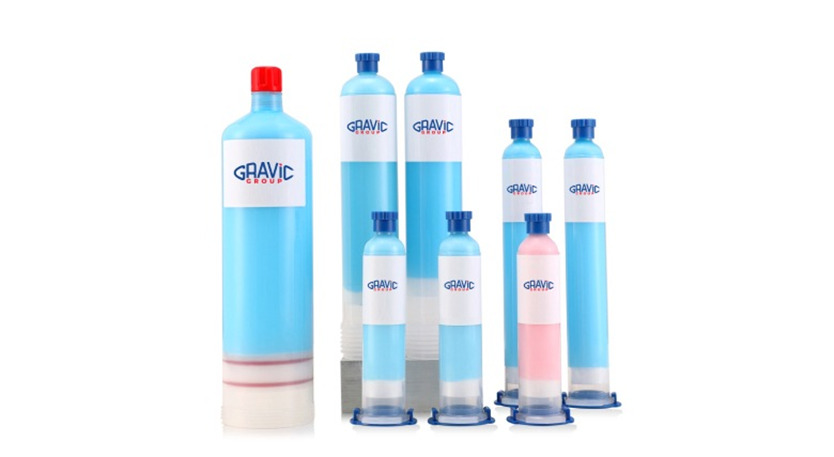
Thermal Gel Highly compliant for large height variations and stress‑sensitive surfaces (e.g., EV battery packs). Lower contact resistance than pads, but can crack at sustained high temperatures and diffuse into gaps.
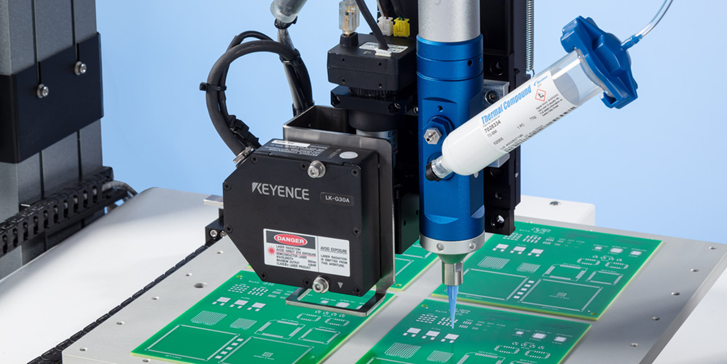
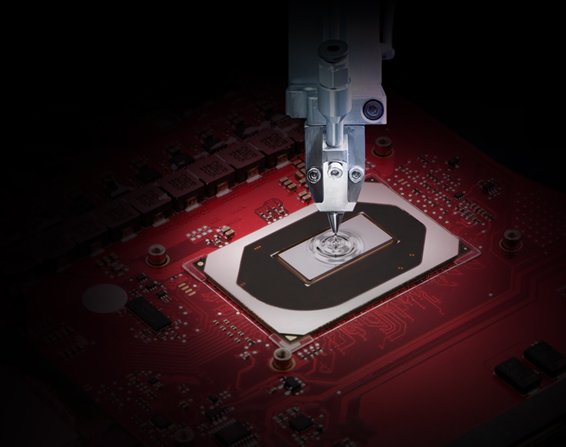
Liquid Metal Paste Extreme conductivity—enabling significant temperature drops. However, it’s electrically conductive, reactive with aluminum, hard to apply, and costly. Use with caution.
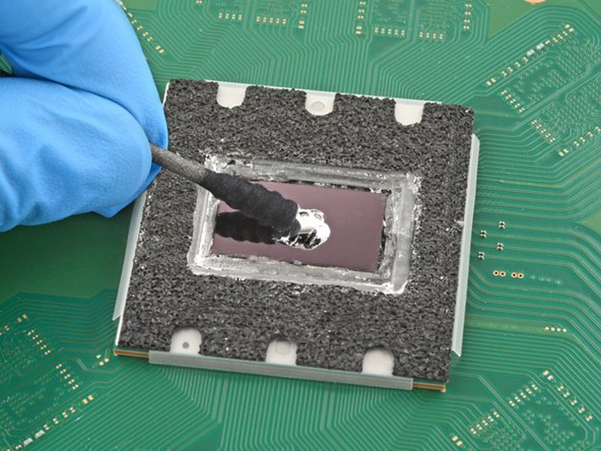
Graphite Wrapped Foam Traditional graphite spreads heat well in‑plane but is weak through‑plane and not compressible. Wrapping graphite around compressible foam cores boosts Z‑direction conductivity and adds compliance to fill gaps and absorb height variation—improving reliability in dynamic environments.
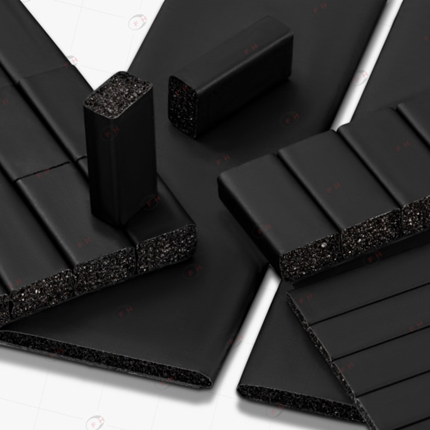
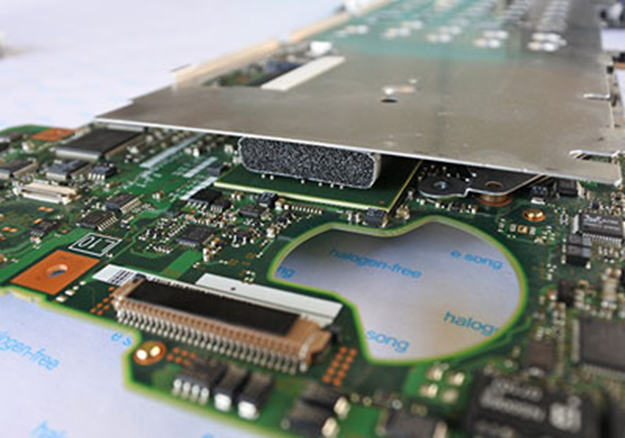
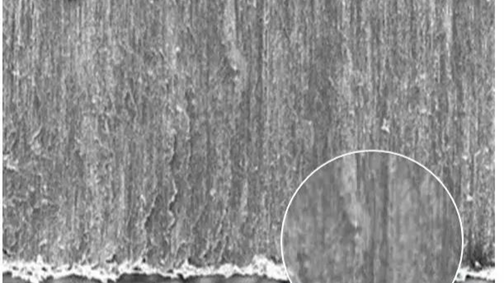
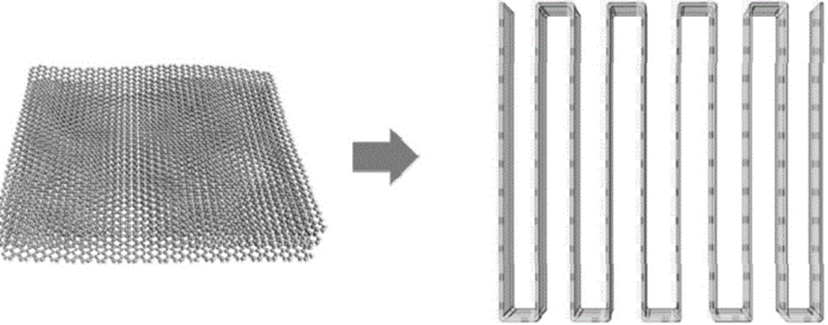
Vertically Aligned Graphene Pads By aligning graphene through‑thickness, these pads deliver much higher Z‑direction conductivity than conventional pads, while being thick and compressible to maintain contact under mechanical stress.
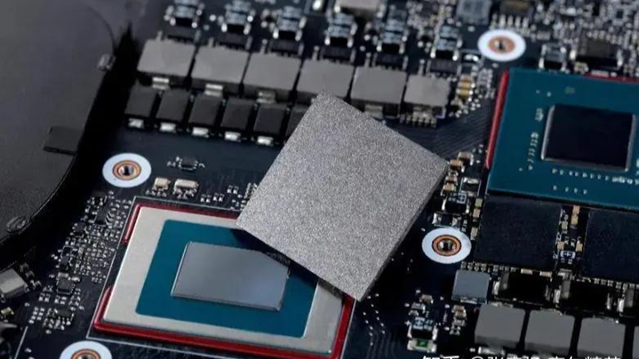
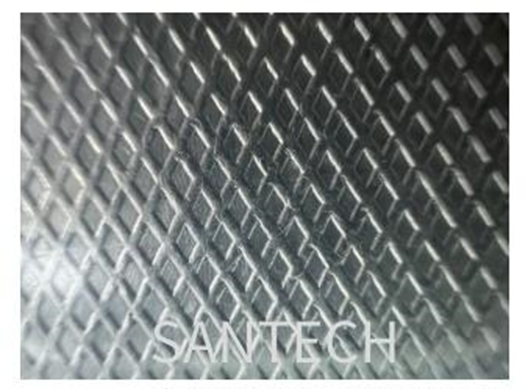
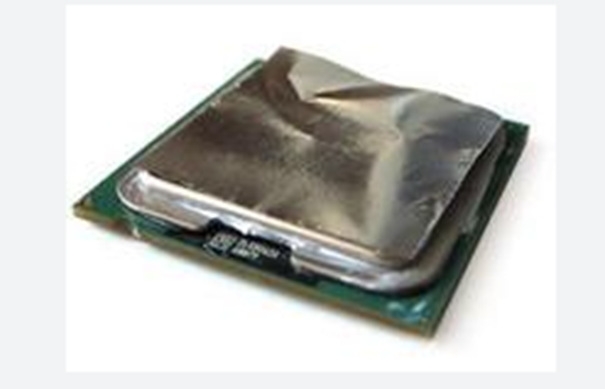
Metal TIMs (Indium‑Based Pads) Soft, malleable alloy pads with engineered surface patterns achieve high through‑plane conductivity and conform to irregularities—well‑suited for high power density and even in‑package applications.
The Fine Balance: Pressure, Thermal Impedance, and IC Limits
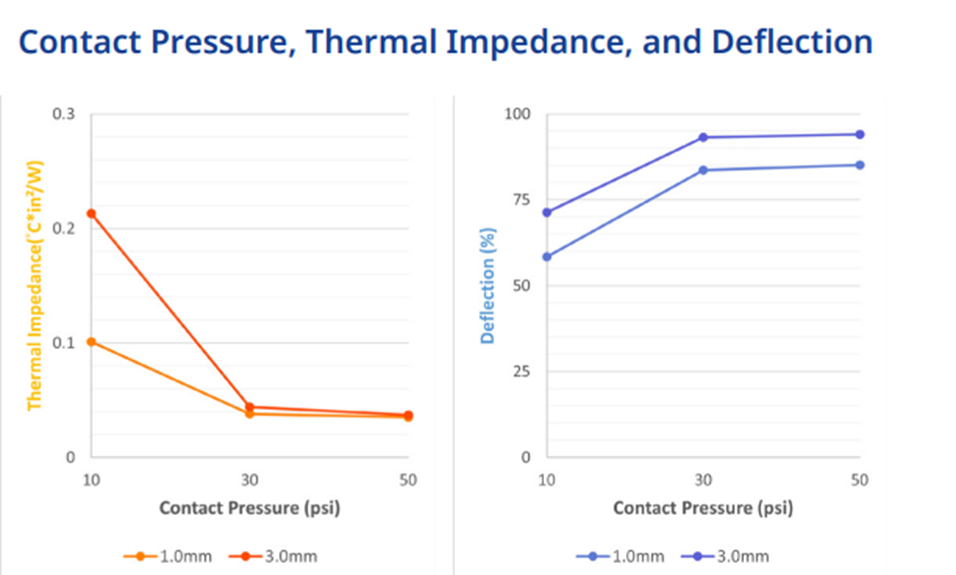
Clamping pressure helps reduce contact resistance by improving TIM wetting and deflection—but too much risks damage to the IC. Always consult TIM, IC, and heatsink specs for: recommended pressure ranges, maximum allowable pressure, compression curves (deflection vs pressure), and thermal resistance vs load to optimize performance without exceeding mechanical limits.
Choosing the Right TIM: A Practical Workflow
- Define the use case: heat flux, allowable temperature, surfaces, tolerances, rework expectations.
- Screen by constraints: electrical isolation, thickness window, pressure limits, manufacturability.
- Estimate thermal path: consider material conductivity, bondline thickness, and contact resistance under realistic pressure.
- Prototype & stress test: thermal cycling, humidity, vibration; watch for pump‑out, cracking, and aging effects.
- Plan lifecycle support: assembly repeatability, field serviceability, and cost vs performance trade‑offs.
Key Takeaways
- Air gap filling and contact resistance control are the core jobs of TIMs.
- Match TIM to application: grease for ultra‑high flux; pads/gel/PCM for variation and reliability; tape/glue when fastening matters; liquid metal only when risk is managed.
- New materials (graphite‑foam, vertically aligned graphene, indium pads) expand options—especially for Z‑direction heat transfer under mechanical compliance.
- Optimize pressure using vendor limits to balance thermal performance and IC safety.